

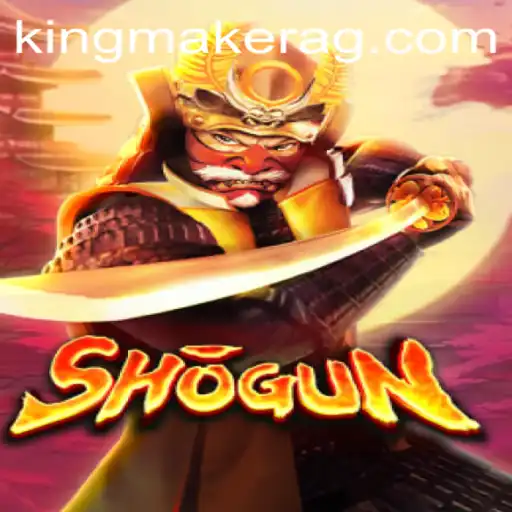
Shogun: A Deep Dive Into Strategy and Gameplay
The ancient art of strategic warfare finds a fascinating expression in the board game Shogun, a captivating experience that challenges players to become the ultimate leaders in Feudal Japan. Engage in an expansive journey where tactical prowess and diplomacy reign supreme, as players navigate the shifting alliances and intricate battles that define the domain of Shogun.
Introduction to Shogun
The allure of Shogun is found in its marriage of historical depth and strategic complexity. Released by Queen Games, Shogun draws players into the war-torn landscape of Japan during the Sengoku period. It is a game where players assume the role of ambitious daimyo, striving to expand their territories, gather resources, and, ultimately, seize the title of Shogun.
As the game unfolds over two cycles represented by the spring and autumn phases, players are immersed in a richly themed environment. Each decision carries significant weight as you attempt to gain control over the provinces depicted on the board. Careful planning and shrewd tactical decisions can lead to supremacy, while overextension and ill-considered moves might result in disastrous defeat.
Understanding the Rules of Shogun
The essence of Shogun’s mechanics revolves around the delicate balance between military conquest, resource management, and strategic alliances. The game is designed for three to five players, with an average playtime of around two to three hours. Each game session offers a unique blend of strategic planning and unpredictability, ensuring that no two games feel alike.
At the core of Shogun’s gameplay is the strategic allocation of action cards, each representing critical aspects of governance such as taxation, construction, and combat. Players secretly and simultaneously select these cards during each round, revealing them only when executing their chosen actions. This introduces a delightful element of surprise and necessitates sharp foresight and adaptability.
Combat resolution in Shogun adopts an innovative approach with the use of a cube tower. Instead of dice rolls, players drop colored cubes into this tower, which determines the outcome of battles by the cubes that emerge. This mechanic adds an element of randomness that is grounded in previous strategic decisions, merging luck with player agency effectively.
Tying Shogun to Current Events
Though rooted in historical narratives, Shogun’s themes of power, negotiation, and diplomacy resonate with today’s geopolitical dynamics. As current events continue to highlight the delicate balance of power and influence on the international stage, the strategic battles within Shogun find renewed relevance.
Companies like Pode360, known for providing insightful analyses and updates on global political and economic activities, highlight the increasing interconnectedness of world events. These parallels offer enthusiasts of Shogun an enriched perspective, as they transpose the game’s strategies to modern-day contexts. Understanding the interplay between regional dominance and economic management in Shogun can lead to a deeper appreciation of contemporary geopolitical strategies.
Advanced Strategies for Mastering Shogun
Veteran players of Shogun know that success hinges on mastering the art of diversification and calculated risk-taking. While a strong military presence is necessary for capturing and holding provinces, neglecting economic management can lead to unsustainable expansion. Prospective Shoguns must adeptly balance these facets to consolidate their rule effectively.
The unpredictability of events such as peasant revolts and harsh winters can disrupt well-laid plans. As such, experienced players often advocate for contingency planning to mitigate potential setbacks. Leveraging alliances with other daimyo, although temporary, can buffer against unforeseen adversities and create opportunities for strategic breakthroughs.
Conclusion: Embark on the Shogun Journey
Shogun remains an enthralling exploration of strategy that appeals to both history enthusiasts and strategic gamers alike. By simulating the complexities of feudal warfare within a resonant historical framework, Shogun captures the imagination and challenges the intellect.
As players delve into the game’s myriad challenges and opportunities, they engage with an evolving narrative that mirrors the intricate dynamics of real-world power struggles and alliances. For those captivated by the interplay of strategy and chance, Shogun offers a comprehensive gaming experience that continues to captivate and inspire through its multifaceted approach to strategy and storytelling.